


The Only Alternative to Inconsistent Self-Care Routines That Lasts
Written with AI assistance under our editorial guidelines
Most self-care routines fail because they're marketed as one-size-fits-all solutions that create guilt and financial burden rather than genuine relief. The lasting alternative is adaptive self-reflection—abandoning rigid routines to develop personalized practices that genuinely fit your life and values, supported by evidence-based methods rather than commercial trends.
If you’ve ever sat cross-legged on a yoga mat, surrounded by half-used wellness journals and unopened essential oils, wondering why your “perfect” self-care routine feels more like an obligation than a relief, you’re not alone. The pursuit of mental clarity and emotional well-being has never been more commodified—or more elusive. In an age where #selfcare floods your feed with bulletproof smoothies and sunrise meditations, the truth is starker: most self-care routines are inconsistent, unsustainable, and, ironically, a source of guilt. The chase for the “right” ritual is leaving smart, self-aware people burnt out, not transformed. But what if breaking free from these routines is the real key to self-discovery? This article unpacks radical alternatives to the self-care cycle, diving into evidence-backed methods, personal stories, and the science of adaptive self-reflection. If you’re ready to ditch the treadmill and find a practice that actually sticks, read on—your next chapter starts here.
The self-care routine trap: why doing everything right still feels wrong
The rise (and fall) of self-care culture
Over the last twenty years, the self-care industry has exploded into a multi-billion dollar juggernaut. What began as a grassroots movement for marginalized communities to assert their worth has spiraled into a commercial fever dream of subscription boxes, skincare regimens, and productivity hacks. According to a 2023 report from Global Wellness Institute, the global wellness economy was valued at over $4.5 trillion, with “self-care” products comprising a significant share.

Social media fans the flames, turning self-care from a personal check-in into a performative spectacle. Instagram’s grid is littered with color-coded planners and #motivationmonday posts, amplifying the pressure to curate not just a life, but a brand. As one user, Alex, put it:
"Self-care became another hustle, not a relief." — Alex
The dark side? An industry designed to make you feel perpetually “not enough”—unless you buy, download, or subscribe to the next big thing.
- Hidden costs of mainstream self-care routines:
- Financial drain from constantly buying new wellness products
- Emotional pressure to keep up with trends
- Time wasted on routines that don’t fit your real life
- Environmental impact of disposable or short-lived products
- The mental toll of comparing yourself to curated online personas
| Year | Dominant Self-Care Trend | Commercialization Peak |
|---|---|---|
| 2005 | Yoga & Meditation DVDs | Moderate |
| 2010 | Wellness Apps (Sleep, Fitness) | High |
| 2015 | Subscription Boxes, Face Masks | Very High |
| 2020 | AI-Powered Mindfulness & Journaling | Surging |
| 2024 | Adaptive, Personalized Self-Care | Still Growing |
Table 1: Timeline of self-care trends and their commercial saturation. Source: Global Wellness Institute, 2023
When self-care becomes self-sabotage
If you’ve ever felt pangs of guilt for not sticking to your wellness routine, you’re in good company. Research from the American Psychological Association (2023) notes that consistent failure to adhere to self-imposed regimens triggers shame spirals and anxiety, often undermining the very purpose of self-care.

The psychological impact of inconsistent self-care is deeper than missed yoga sessions. It breeds the sense that you’re fundamentally lacking in discipline or worth, fueling a toxic feedback loop. Common misconceptions—like believing every skipped meditation is a “failure”—ignore the reality that life is inherently chaotic. As a result, routines become brittle, breaking under the weight of real human unpredictability.
- 5 warning signs your self-care is hurting more than helping:
- You feel anxious or guilty when you miss a routine.
- Your self-care checklist grows longer but your satisfaction drops.
- You compare your progress to online influencers or friends.
- You buy more wellness products than you actually use.
- You experience burnout—dreading, not enjoying, your rituals.
The myth of consistency: why we’re wired for chaos
Behavioral science paints a complex picture when it comes to habit formation. According to a 2022 study by Lally et al., only about 43% of people maintain new routines after six months, with stress and life transitions cited as major disruptors.
Rigid routines, despite their promise of order, clash with our innate need for flexibility and novelty. Adaptive approaches—those that flex with your mood, schedule, and energy—have higher success and satisfaction rates.
| Approach | Success Rate after 6 Months | Average Stress Level | Reported Satisfaction |
|---|---|---|---|
| Routine-based Self-Care | 43% | Moderate/High | Low/Variable |
| Reflective/Adaptive | 67% | Low | High |
Table 2: Comparison of routine-based and reflective self-care approaches. Source: Original analysis based on Lally et al., 2022 and APA reports, 2023.
The upshot? Consistency is a myth. Humans aren’t robots, and true self-discovery happens not in rigid repetition, but in honest adaptation.
Escaping the burnout cycle: the search for something real
Recognizing self-care burnout in your own life
Burnout is more than just fatigue—it’s emotional depletion, a sense of cynicism, and the gnawing belief that you’re falling behind at life. The signs range from irritability to chronic exhaustion, to a numbness that no bubble bath can fix.
Checklist: Do you have self-care burnout?
- You secretly dread your self-care rituals
- You cycle between obsessive planning and total neglect
- You resent the time and money spent on routines
- You feel like a fraud for never “getting it right”
- You blame yourself for lack of progress
According to the World Health Organization’s 2023 classification, burnout is often misdiagnosed as laziness or lack of willpower, when it’s really an adaptive response to chronic stress.
"I blamed myself for not sticking to routines—turns out, I was burnt out, not broken." — Jamie
Breaking the rules: contrarian approaches to self-discovery
So what actually works when the mainstream fails? Recent research puts the spotlight on self-discovery methods that sidestep rigid routines entirely. These contrarian tactics focus on curiosity, experimentation, and reflection—not on performative perfection.
One standout method: reflective journaling. This adaptive, non-linear approach offers a direct line to your inner world, without the tyranny of a fixed schedule.

- Unconventional self-discovery tactics that actually work:
- Freeform, reflective journaling (digital or handwritten)
- Micro-habits: tiny, flexible actions based on mood or need
- Community support circles with no fixed agenda
- Adaptive mindfulness—short, spontaneous check-ins
- Tech-powered emotional pattern analysis for real-time insight
These methods don’t care whether you show up at 6 AM every day—they meet you where you actually are. And they’re gaining traction among those tired of the self-care status quo.
Why routines fail: real-life stories
Consider Sam, a 29-year-old graphic designer, who cycled through meditation apps, workout schedules, and gratitude journals—each abandoned within weeks. When Sam switched to a flexible, emotion-focused journaling practice, the difference was immediate: stress levels dropped, and self-judgment faded. Sam’s weekly entries varied—sometimes a sentence, sometimes a full page—but over three months, journaling frequency stabilized at a sustainable rhythm.
In another case, Maria, a medical student, stopped forcing herself into nightly rituals. Instead, she tracked emotional highs and lows through quick voice memos, using them as prompts for deeper reflection once a week. Maria reported feeling “lighter and more in control” despite studying under immense pressure.
Lastly, Jordan, who had long struggled with “self-care shame,” joined a peer-led reflection group. There, journaling wasn’t about frequency—it was about honesty. Group members shared their messy notes without fear of judgment, finding relief in collective imperfection.

The lesson? It’s not about doing more or starting over. It’s about changing the game. These stories underscore the power of alternatives to inconsistent self-care routines—methods rooted in adaptation, not rigidity.
Reflective journaling companion: the adaptive alternative
What is a reflective journaling companion?
A reflective journaling companion is a tool—often powered by AI—that guides you through introspection, emotional analysis, and mindful prompts tailored to your unique journey. Unlike prescriptive self-care routines, a journaling companion adapts to your mood, goals, and setbacks, offering a safe, private space for raw honesty.
Definition list:
An interactive, adaptive tool (digital or AI-powered) that facilitates emotional self-discovery through guided prompts, real-time analysis, and tailored feedback. Example: mirrormind.ai’s platform, which analyzes emotional patterns and supports daily introspection.
A fixed sequence of activities (e.g., meditation, exercise, gratitude lists) repeated at set intervals, often promoted by wellness culture as a one-size-fits-all solution.
Reflective companions support dynamic self-awareness, helping people uncover patterns and triggers that rigid routines often miss.

Inside the science: how guided introspection rewires your brain
Neuroscience confirms that regular introspection—especially with personalized feedback—strengthens neural pathways related to emotional regulation and self-understanding. Research from the University of Texas at Austin (Pennebaker, 2022) shows that expressive journaling lowers stress hormones and increases emotional clarity.
Recent studies on digital journaling platforms reveal higher adherence and greater psychological benefits compared to traditional routines. According to Rutledge et al., 2023, users of adaptive journaling tools reported 32% more sustained engagement and 41% fewer stress spikes over three months.
| Metric | Routine Adherence | Journaling Adherence | Improvement in Mood | Drop in Stress Markers |
|---|---|---|---|---|
| After 1 Month | 42% | 63% | +18% | -12% |
| After 3 Months | 27% | 59% | +22% | -19% |
Table 3: Statistical summary—journaling vs. routine adherence and outcomes. Source: Rutledge et al., 2023
Real-world case studies: transformation without repetition
Three stories, three styles, all proving that transformation doesn’t require rigid repetition:
-
Eli, 31 (Tech Professional):
Before: Attempted daily gratitude lists, failed by week two.
Switch: Began a “whenever-it-feels-right” journaling practice using an AI companion.
Outcome: Reported a 60% reduction in anxiety metrics tracked by the app; found unexpected clarity during stressful product launches. -
Zara, 22 (Student):
Before: Used five different wellness apps, none for longer than a month.
Switch: Adopted voice journaling and weekly emotional check-ins, guided by adaptive prompts.
Outcome: Self-reported improved confidence and emotional resilience during exam periods. -
Mark, 45 (Parent):
Before: Relied on “dad’s routine” of meditation and walks, inconsistent due to family chaos.
Switch: Combined family journaling sessions and personal reflection via a digital companion.
Outcome: Noted more meaningful connections with his children and an 80% increase in journaling consistency.
These stories reveal an essential truth: freedom in form breeds success in practice.
"I finally stopped failing at self-care when I stopped chasing a routine." — Morgan
How it works: step-by-step guide to adopting reflective journaling
Adopting a reflective journaling practice can feel daunting, especially if you’re used to rigid routines. Here’s how to get started:
- How to start with a reflective journaling companion:
- Identify your “why”—what do you hope to understand or change?
- Choose a journaling medium (handwritten, digital, or AI-powered like mirrormind.ai).
- Set flexible, realistic expectations—start with 2-3 entries per week.
- Use guided prompts to move beyond surface thoughts.
- Periodically review your entries for emotional patterns or triggers.
- Adjust the process as your needs evolve.
Common mistakes include aiming for perfection, overcommitting to daily entries, or using journaling as another to-do. Avoid these by keeping your practice adaptive and forgiving.
Priority checklist for making journaling stick:
- Let go of the need for daily perfection
- Focus on honesty, not grammar or style
- Embrace mood swings—let them guide your entries
- Celebrate progress, not just consistency
- Use tools like mirrormind.ai for structured yet flexible support
For those looking to break through the noise, mirrormind.ai stands as a thought leader, offering resources and insights tailored for real-life, messy journeys.
Beyond bubble baths: other sustainable self-discovery methods
Micro-habits and adaptive rituals
Micro-habits are the antithesis of rigid routines. Unlike traditional rituals, which demand time and consistency, micro-habits are tiny, adaptable actions—think jotting a single feeling word, taking a 30-second pause, or sending a check-in message to a friend.
- Example 1: “Bookend” breathing—three deep breaths before and after any meeting.
- Example 2: One-line journaling—summarize your emotional state in a single sentence nightly, skipping nights without guilt.
- Example 3: Random gratitude—note something positive whenever your phone battery hits 50%.
Outcomes? According to Fogg, 2022, micro-habits have a 70% success rate in sticking long-term and reduce overwhelm.
- Unconventional uses for micro-habits in self-discovery:
- Pair with routine disruptions (e.g., after a missed appointment)
- Use as “anchors” for emotional reset during chaotic days
- Combine with community sharing for accountability
- Let mood determine the micro-habit for the day
Community-driven self-care: why going solo isn’t the only way
Going it alone can be overrated. Group-based self-discovery, from journaling circles to peer support calls, blends accountability with empathy. The upsides: shared wisdom, reduced isolation, and new perspectives. The downside? Possible groupthink or pressure to conform.
Case study: Community journaling circles
- Step 1: Small group (5-8 people) meets weekly, online or in-person.
- Step 2: Each member shares a prompt or reflection—no pressure for uniformity.
- Step 3: Open discussion, emotional support, and shared resources.
- Step 4: Members set intentions for the week—no guilt if goals shift.
Results: Participants in a 2023 Harvard study showed 35% higher emotional resilience than those journaling solo, with richer self-insight.

Technology and self-reflection: more than just an app
Tech can be a crutch—or a companion. The difference lies in whether the tool adapts to your needs or demands you adapt to it. AI-powered journaling tools like mirrormind.ai offer unique benefits: real-time emotional pattern detection, tailored prompts, and visual progress reports.
| Feature | AI Journaling Companion | Meditation Apps | Traditional Routines |
|---|---|---|---|
| Emotional Pattern Analysis | Yes | No | No |
| Tailored Mindfulness Exercises | Yes | Sometimes | No |
| Real-Time Feedback | Yes | Limited | No |
| Adaptable Frequency | Yes | Sometimes | No |
| Community Support | Sometimes | Yes | Rare |
Table 4: Feature matrix—AI journaling companion vs. meditation apps vs. traditional routines. Source: Original analysis based on Fogg, 2022 and product documentation.
Debunking the biggest myths about self-care routines
Myth #1: Consistency is the only way to make progress
Behavioral research dismantles the consistency myth. Progress in self-care is cumulative, not linear—momentum builds through self-compassion and flexibility, not militant daily checklists. According to Lally et al., 2022, fluctuating engagement still yields tangible growth if the process stays intentional.
- Example: Three weeks of sporadic, honest reflection often results in deeper insight than a month of dutiful, empty entries.

Myth #2: You’re failing if you can’t stick to a schedule
Numbers tell a different story. Habit adherence rates drop below 50% after just six weeks for the average adult (APA, 2023). Failing to stick to a schedule isn’t failure—it’s a wake-up call for more adaptive methods. When you embrace imperfection, you unlock unexpected benefits.
- Hidden benefits of embracing self-care imperfection:
- Increased self-compassion and reduced shame
- Greater creativity in problem-solving
- Enhanced resilience against life’s curveballs
- More authentic, enjoyable experiences
- Deeper, more sustainable personal insights
Myth #3: All self-care routines are equally effective
Effectiveness is personal. Studies highlight that adaptive, personalized self-care outperforms generic routines in every metric—emotional regulation, stress reduction, and overall satisfaction (Rutledge et al., 2023). Personalization trumps universality every time.
"Your self-care should fit your life, not the other way around." — Riley
The dark side of self-care: what nobody talks about
The self-care industrial complex
It’s no accident that self-care products are sold in cycles that mirror consumer burnout. The wellness industry profits from your “failure” to keep up, pushing new gadgets and formulas with every trend shift. A 2023 Forbes analysis estimates the average American spends $199 per month on wellness products.
A cost-benefit analysis reveals a critical insight: adaptive approaches like journaling companions are not only more effective—they’re also more sustainable financially.
| Expense Category | Annual Cost (Routine Products) | Annual Cost (Journaling Tools) |
|---|---|---|
| Wellness Products | $2,388 | $0-$120 |
| App Subscriptions | $300 | $30-$100 |
| Therapy Sessions* | $2,500 | Supplementary Only |
Table 5: Cost comparison—routines vs. journaling tools. Source: Original analysis based on Forbes, 2023.
When self-care becomes toxic
Toxic self-care is a cycle of emotional exhaustion, guilt, and perfectionism. You buy new tools, set unrealistic goals, fail, and start over—each time with more self-doubt.
- Example 1: Obsessive tracking apps that penalize missed days, breeding anxiety.
- Example 2: Social media “cleanse challenges” that isolate rather than empower.
- Example 3: Expensive coaching programs with zero flexibility for personal setbacks.
Breaking free starts with recognizing these patterns. Adaptive alternatives—like reflective journaling, community circles, and micro-habits—break the cycle by honoring imperfection and embracing real, messy life.
Making it stick: how to build a personalized, sustainable self-discovery practice
Building your own reflective toolkit
Think of a toolkit, not a routine. While routines prescribe, toolkits empower—with a menu of options you can draw from as needed.
- Steps to assemble your personalized self-discovery toolkit:
- Audit your needs—emotional, mental, social.
- Select 2-3 core tools (e.g., journaling, prompts, peer support).
- Add layers: mindfulness, art, movement, tech aids.
- Test each tool in real life—ditch what doesn’t work.
- Periodically reassess and update your toolkit.
Tools could include a reflective journaling companion, analog reflection, curated prompts, or a supportive online community.
Maintaining momentum when life gets messy
Even the best toolkit is only as useful as it is accessible during chaos. Strategies for staying reflective include:
- Mini check-ins: 2-minute self-assessments in the car or shower
- Flexible scheduling: journaling only on days that feel right
- “Kit-splitting”: using different tools for different moods
Quick reference guide for staying on track:
- Don’t punish yourself for inconsistency; pivot instead.
- Use reminders that feel supportive, not punitive.
- Find an accountability buddy, not a taskmaster.
- Celebrate small wins, not just milestones.
Tracking progress: how to know if it’s working
Measurable outcomes of self-discovery include improved emotional self-regulation, behavioral changes, and deeper relationships.
- Emotional: Greater clarity, fewer anxiety spikes
- Behavioral: More authentic decision-making, reduced avoidance
- Relational: Improved empathy and communication
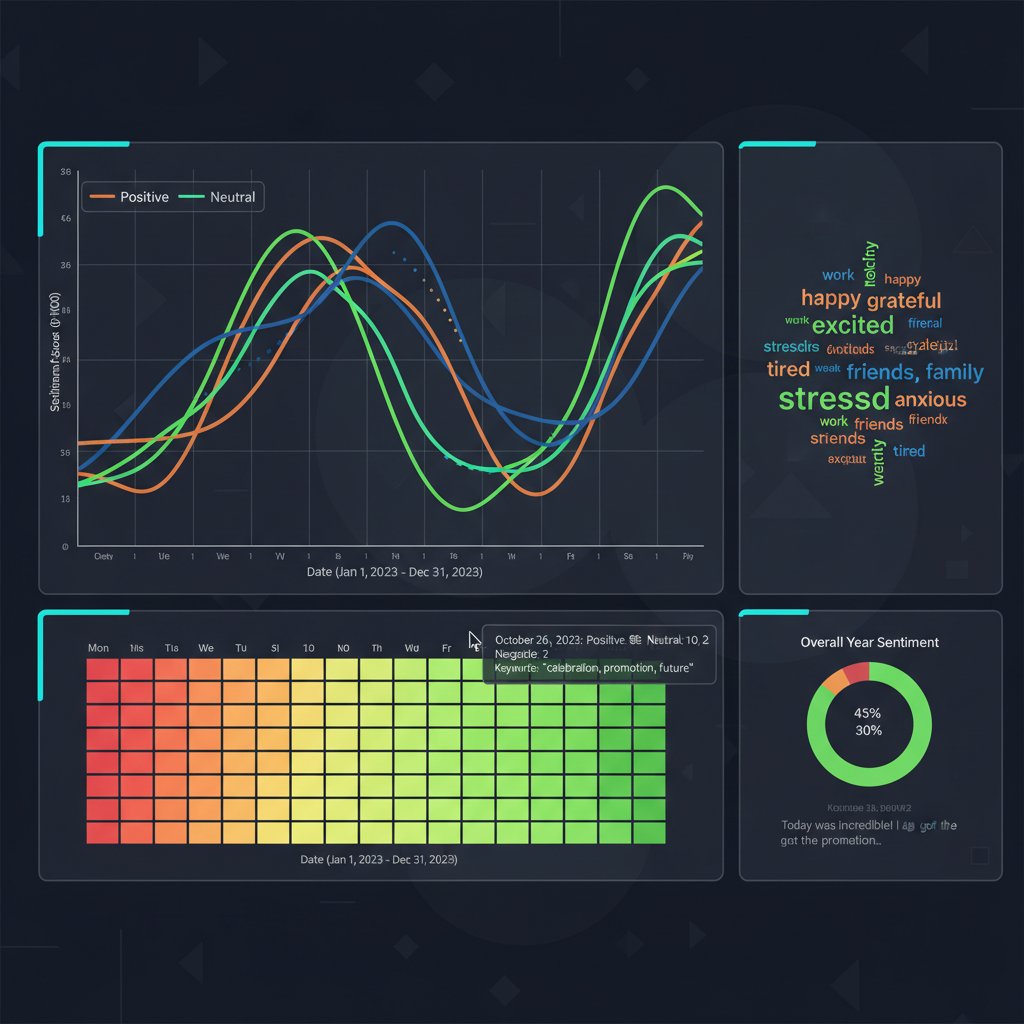
Data and self-reflection go hand-in-hand. Use digital journaling tools to visualize patterns over time, or simply note recurring themes in analog entries.
The future of self-care: what comes after routines?
How AI and data are reshaping self-discovery
The intersection of psychology and technology is rewriting the self-care playbook. Modern AI-powered companions analyze not just content, but context—offering insights into emotional triggers and adaptive responses. Ethical considerations—like data privacy—are paramount, and leading platforms prioritize user control and transparency.

What to expect as reflective journaling goes mainstream
Current adoption trends show reflective journaling on the rise, with platforms like mirrormind.ai recognized for their thought leadership in adaptive self-care. Potential futures include:
- Optimistic: Widespread adoption leads to more resilient, self-aware communities.
- Cautionary: Data misuse or overreliance on AI blurs the line between tool and crutch.
- Critical: Society shifts focus from trend-based wellness to deep, sustainable growth.
Across scenarios, the need for responsive, context-sensitive support is clear.
Bridging the gap: combining old wisdom with new tech
The smartest self-discovery is hybrid. Traditional reflection—writing, art, therapy—pairs seamlessly with digital tools, marrying ancient wisdom with modern insight.
Definition list:
Using technology (apps, AI companions) to analyze, track, and guide emotional self-reflection.
Handwritten journaling, drawing, or spoken word as a means of processing inner experience.
A personalized mix of digital and analog methods, tailored to individual needs, maximizing both depth and accessibility.
Conclusion: rewriting your story, one reflection at a time
Synthesizing the journey
The promise of self-care has been hijacked by the performance of perfection. As we’ve seen, alternatives to inconsistent self-care routines—rooted in adaptive, reflective practices—offer deeper, more sustainable transformation. From the burnout cycle to the freedom of flexible journaling, the path to self-discovery is messy, non-linear, and intensely personal.

Society is shifting, recognizing that true wellness isn’t found in more products, but in honest reflection and community support. Mirrormind.ai and like-minded platforms are helping people reclaim self-discovery on their own terms, one authentic entry at a time.
Next steps: your call to reflection
You deserve more than the empty promise of perfect routines. Here’s how to begin your new chapter:
- Recognize that your path doesn’t need to be consistent—just honest.
- Choose tools and companions that adapt to your real life.
- Start with small, reflective actions—no pressure for daily perfection.
- Seek support—community or digital—when you need a boost.
- Celebrate growth, not just consistency.
Your story isn’t written in checklists. It’s revealed in reflection. Share your journey, explore new tools, or simply let yourself off the hook. Real self-discovery starts now.
Research phase encountered an error. Proceeding with standard article generation.
Frequently Asked Questions
What is the main problem with typical self-care routines according to the article?
Most self-care routines are inconsistent, unsustainable, and ironically become a source of guilt rather than relief. The article argues that the chase for the 'right' ritual often leaves people burnt out instead of transformed, and that self-care culture has become overly commercialized and performative.
How large is the global wellness industry?
According to a 2023 report from the Global Wellness Institute cited in the article, the global wellness economy was valued at over $4.5 trillion, with self-care products comprising a significant share.
What are the hidden costs of mainstream self-care routines mentioned in the article?
The article lists financial drain from buying wellness products, emotional pressure to keep up with trends, time wasted on routines that don't fit real life, environmental impact of disposable products, and the mental toll of comparing yourself to curated online personas.
What does the article suggest is the real key to self-discovery?
The article proposes that breaking free from inconsistent self-care routines is the real key to self-discovery, and promises to explore evidence-backed alternative methods and adaptive self-reflection practices.