


Reflective Journaling for Self-Esteem: Science, Risks, Real Change
Written with AI assistance under Reflective Journaling Companion's editorial guidelines. Editorial guidelines
Reflective journaling addresses low self-esteem by enabling genuine self-confrontation rather than surface-level fixes. Over 60% of adults experience regular inadequacy linked to social media and comparison culture. Research shows self-esteem predicts goal-setting better than skill-based interventions. True change requires reengineering your foundation through honest self-documentation, not pursuing self-esteem as a fixed endpoint through conventional self-help tactics.
You’re not here for empty platitudes. You’re here because somewhere between the relentless feedback loops of social media, the hollow promises of self-improvement hacks, and the gnawing static of your own inner monologue, self-esteem became something elusive—maybe even suspect. Reflective journaling for self-esteem isn’t just another bland self-help prescription: it is a radical act of self-confrontation. In a world that commodifies insecurity and monetizes your doubt, the simple practice of documenting your true thoughts—in all their messy, contradictory, and sometimes ugly glory—can become a subversive tool for clarity and real self-worth. This isn’t about writing your way into a better mood; it’s about dismantling the myths that keep you trapped in cycles of self-judgment and discovering what’s left when you strip away the noise. Buckle up—this deep-dive exposes the raw mechanics, risks, and rewards of reflective journaling, and why it just might be your most honest shot at rewriting the story you tell yourself.
Why self-esteem matters more than self-improvement gurus admit
The silent epidemic: Declining self-worth in a hyperconnected world
Let’s start with a reality check: the epidemic of low self-esteem is not a marketing invention. According to recent studies summarized by Verywell Mind, 2024, over 60% of adults report regular feelings of inadequacy, a spike that tracks almost perfectly with the rise of hyperconnectivity and algorithm-driven validation. Social comparison isn’t just a “bad habit”—it’s baked into our daily digital diet, eroding self-worth across every demographic. The American Psychological Association (APA) reported in 2023 that self-esteem now predicts persistence and goal-setting more strongly than skill-based interventions. No surprise, then, that “confidence culture” is booming—and that so many feel left behind.

Why does the classic self-help script fail so many? Because it treats self-esteem as an endpoint—a trophy for hustling harder, “fixing” flaws, or reciting mantras. But lasting change isn’t about patching up surface cracks; it’s about reengineering the foundation. As Alex, an anonymous reflective journaling advocate, bluntly puts it:
"Most people don’t realize self-esteem is a moving target, not a destination." — Alex, reflective writer
That’s the hidden narrative behind the search for “how to boost self-worth.” You’re not just looking for tips—you’re seeking an escape from the treadmill of so-called improvement. Reflective journaling isn’t a shortcut, but it might be the only map that doesn’t lie.
| Age Group | Average Self-Esteem Score (2024) | Percentage Reporting Low Self-Worth |
|---|---|---|
| Teens (13–19) | 5.2 / 10 | 72% |
| Young adults (20–29) | 5.9 / 10 | 61% |
| Adults (30–49) | 6.3 / 10 | 54% |
| Older adults (50+) | 6.7 / 10 | 47% |
Table 1: Self-esteem levels by age group, 2024. Source: Original analysis based on Verywell Mind, 2024, APA, 2023
This isn’t just a problem for teenagers. As the stats show, self-esteem issues are a lifelong grind—one that escalates if you never confront the real scripts running inside your head. So why does reflective journaling stand out? Because it doesn’t promise to fix you. It promises to show you who you already are, underneath the noise.
What reflective journaling really means (and what it doesn’t)
Reflective journaling is not about venting or keeping a perfunctory diary of daily events. It’s a deliberate, structured form of writing that challenges you to interrogate your own thoughts, beliefs, and habits. This is not the “dear diary” of adolescence, nor is it a space for endless complaints or shallow lists. Reflective journaling is about honest confrontation—naming your patterns, dissecting your narratives, and owning your failures as much as your triumphs.
Key journaling terms:
Writing that critically examines thoughts, feelings, and behaviors for deeper insight.
Freeform writing focused on emotional release and unfiltered honesty.
Journaling that emphasizes positive recognition and acknowledgment of what’s working.
Story-based entries that reconstruct personal experiences with analysis and context.
Historically, journaling has always been a tool for outsiders and iconoclasts. From Marcus Aurelius’s “Meditations” to Frida Kahlo’s illustrated diaries, reflective writing has been the silent engine of radical self-knowledge.
The myth that journaling is just for writers or creatives? Nonsense. According to numerous studies, the real precondition is willingness, not talent. Reflective journaling for self-esteem is about showing up, not showing off.

Inside the science: How reflective journaling rewires your brain
Neuroscience and psychology: The mechanics of self-reflection
The evidence isn’t just anecdotal. Recent neuroimaging research documents that journaling activates the medial prefrontal cortex—an area tied to self-related processing and emotional regulation (Zell & Johansson, 2024). The act of writing, particularly about personal experiences, triggers neuroplasticity: your brain literally remodels itself as you reframe memories and beliefs. Unlike passive consumption of self-help content, journaling demands cognitive engagement and emotional labor that encode new, more adaptive self-narratives.
Meta-analyses confirm that reflective journaling leads to significant gains in self-awareness, self-compassion, and resilience by rewriting the internal scripts that fuel low self-worth. In a world drowning in advice, the simple act of finding your own words is a defiant act of clarity.
| Activity | Brain Regions Engaged | Effect on Self-Esteem |
|---|---|---|
| Reflective journaling | Medial prefrontal cortex, hippocampus, amygdala | Positive, sustained |
| Passive self-help (reading) | Occipital, temporal lobes | Weak, short-lived |
| Rumination (no writing) | Default mode network | Negative, cyclical |
Table 2: Neural activity comparison by self-improvement method. Source: Original analysis based on Zell & Johansson, 2024, APA, 2023
Memory reconsolidation—the process by which old memories are updated with new meaning—is at the heart of why reflective journaling for self-esteem works. Writing is a “low-tech hack for high-level brain change,” as neuropsychologist Morgan aptly summarized.
"The act of writing is a low-tech hack for high-level brain change." — Morgan, neuropsychologist
The double-edged sword: When journaling backfires
But let’s not romanticize: reflective journaling can morph into a self-esteem minefield if handled carelessly. According to clinical psychologists and longitudinal studies, the same introspection that heals can also deepen ruts of self-critique or rumination. Without structure and intention, journaling can reinforce negative loops, especially for those prone to perfectionism or obsessive thought.
Six hidden pitfalls of reflective journaling for self-esteem:
- Endless rumination: Writing the same worries repeatedly ingrains them deeper rather than releasing them.
- Self-criticism spiral: Focusing exclusively on flaws or failures trains your brain to see only what’s broken.
- Comparative journaling: Obsessing over others’ progress (even through their curated “success stories”) erodes your unique journey.
- Perfectionist paralysis: Waiting for the “right” words or entries stifles authenticity and momentum.
- Superficiality trap: Sticking to safe, shallow observations avoids the hard truths that catalyze change.
- Emotional avoidance: Using journaling to intellectualize feelings, rather than process them, blocks emotional growth.
How to sidestep these traps? Lean into self-compassion, set clear intentions, and build in periodic reviews to spot unhelpful patterns. The goal is not to catalog your pain but to uncover the scripts that shape it—and, critically, to rewrite those scripts.

Beyond clichés: Unconventional truths about self-esteem and journaling
Challenging the affirmations myth
Let’s get brutally honest: the cult of positive affirmations has become a lazy industry substitute for real self-examination. Repeating “I am enough” while ignoring your bruised sense of self-worth is like painting over mold—it hides the damage, but the rot remains. Forced positivity, according to research from Briana Hollis, LSW, 2023, can backfire, amplifying feelings of fraudulence and disconnect.
The bravest journaling isn’t about scripting a shinier narrative. It’s about sitting with discomfort, questioning your own judgments, and sometimes—yes—writing the ugly truth.
"Sometimes, the bravest thing you can write is the ugly truth." — Jamie, reflective journaling advocate
Seven alternative journaling prompts for radical self-honesty:
- Describe a recent failure and what it taught you, without minimizing or sugarcoating.
- Write a letter to your past self about a regret you still carry.
- List five things you dislike about yourself and explore the root of each.
- Document a time you hurt someone and what it revealed about your blind spots.
- Name a recurring negative thought and dissect its origins.
- Write about envy—who triggers it, and what needs it exposes.
- Explore what you fear would happen if people saw the “real” you.
How culture, history, and technology shape our self-perception
Reflective journaling isn’t just a modern self-help fad. Ancient Egypt had “books of the heart” for soul-weighing; early Buddhists practiced mindfulness by recording mental states. The West’s storied tradition runs from Stoic diaries to existentialist notebooks.
| Era / Culture | Key Practice | Self-Esteem Role |
|---|---|---|
| Ancient Egypt | Books of the heart | Moral reckoning |
| Renaissance Europe | Moral journals | Self-regulation |
| Edo Japan | Pillow books, poetic diaries | Emotional reflection |
| 20th C. USA | Psychoanalytic “life writing” | Self-understanding |
| Digital age (2020s) | AI-powered journaling (e.g., mirrormind.ai) | Pattern analysis, self-discovery |
Table 3: Timeline of reflective writing as a self-esteem tool. Source: Original analysis based on Patrick Colletta, 2024, mirrormind.ai research, and academic sources.
The digital shift is seismic: AI-powered tools like mirrormind.ai now analyze emotional patterns and offer real-time feedback, fusing ancient introspection with next-gen data insight. This isn’t about replacing pen and paper, but about amplifying self-aware reflection for a distracted age.

Real stories, real results: Unfiltered case studies of transformation
From self-doubt to self-respect: Three journeys
Real change is never theoretical. Meet three individuals who turned reflective journaling into a vehicle for self-transformation.
First, there’s Mia, a young professional in Berlin plagued by imposter syndrome. She started bullet journaling with daily prompts: tracking triggers, wins, and setbacks. Within three months, she reported not just increased clarity, but a newfound confidence to speak up in meetings—mirrored by a 70% uptick in self-rated confidence, aligning with Reflection.app’s 2024 findings.
Then there’s Joseph, a retiree in Atlanta, haunted by regrets over missed opportunities. Narrative journaling became his method—reconstructing pivotal life moments and reframing his story. Over time, he noticed a shift: instead of fixating on failures, he began to see a tapestry of resilience.
Finally, Anjali, a university student battling social anxiety, blended art journaling and written reflection. Her entries combined freeform sketches with real talk about shame and belonging. By semester’s end, she felt less isolated and more self-accepting.

| Name | Method | Challenges | Outcomes |
|---|---|---|---|
| Mia | Bullet journaling | Imposter syndrome | ↑ Confidence, clarity |
| Joseph | Narrative writing | Regret, life review | Reframed self-story |
| Anjali | Art + written | Social anxiety | Self-acceptance, belonging |
Table 4: Features and outcomes of each case’s journaling method. Source: Original analysis based on Reflection.app, 2024 and participant reports.
What doesn’t work: Lessons from failed journaling attempts
Not every journaling journey is a success story. Common reasons for failure include inconsistency, superficiality, and self-censorship. Many start with enthusiasm but lose momentum when confronted with discomfort or the banality of repetition. Others quit because they try to perform for an imaginary audience rather than themselves.
The antidote? Acknowledge the failure, rewrite your approach, and treat journaling as an evolving practice, not a performance.
Seven-step troubleshooting guide for ineffective journaling:
- Identify your current journaling goal—be brutally specific.
- Analyze the last five entries for patterns of avoidance or repetition.
- Shift from “should” prompts to honest questions (e.g., “What am I avoiding?”).
- Set a micro-habit: Commit to one sentence per day for a week.
- Remove the audience: Write as if no one will ever read this—not even you.
- Build weekly reviews to track shifts in mood or mindset.
- Experiment with format—lists, letters, dialogue, art—until something sticks.
Key lesson: Progress is nonlinear. Journaling fails when treated as a chore or contest; it works when it becomes an unfiltered mirror.
Your toolkit: How to get started (and keep going) with reflective journaling
Step-by-step: Building a sustainable journaling habit
Habits aren’t built on willpower—they’re engineered. Reflective journaling for self-esteem only works when woven into the fabric of your daily life.
10-step plan for launching and maintaining a reflective journaling practice:
- Choose a medium that feels natural: analog journal, digital app, voice notes, or hybrid.
- Set a recurring time and environment—consistency trumps duration.
- Start with a simple, honest prompt (e.g., “What did I judge myself for today?”).
- Focus on quality over quantity—aim for depth, not page count.
- Integrate self-compassionate language; avoid policing your own feelings.
- Use periodic reviews to spot patterns and celebrate progress.
- Experiment with formats: lists, letters, dialogues, or visuals.
- Expect resistance; push through the urge to quit or self-censor.
- Share selective insights with a trusted confidant (optional).
- Revisit and reframe earlier entries to witness your own growth.
Common mistakes? Overcomplicating the process, waiting for inspiration, or using journaling as yet another stick for self-flagellation. Remember: the best journal is the one you actually use.

The anatomy of an effective self-esteem journal entry
A powerful self-esteem entry isn’t just a brain dump; it’s a mini-arc of self-discovery.
Components of an effective entry:
The prompt, event, or feeling that sparks the entry. Example: “I felt dismissed in today’s meeting.”
Honest analysis of the trigger—thoughts, emotions, interpretations. Example: “I noticed a spiral of self-blame and felt invisible.”
The “aha” moment or new understanding. Example: “I confuse disagreement with rejection, a pattern from childhood.”
A concrete, small action or mindset shift. Example: “Tomorrow, I’ll challenge one negative thought as it arises.”
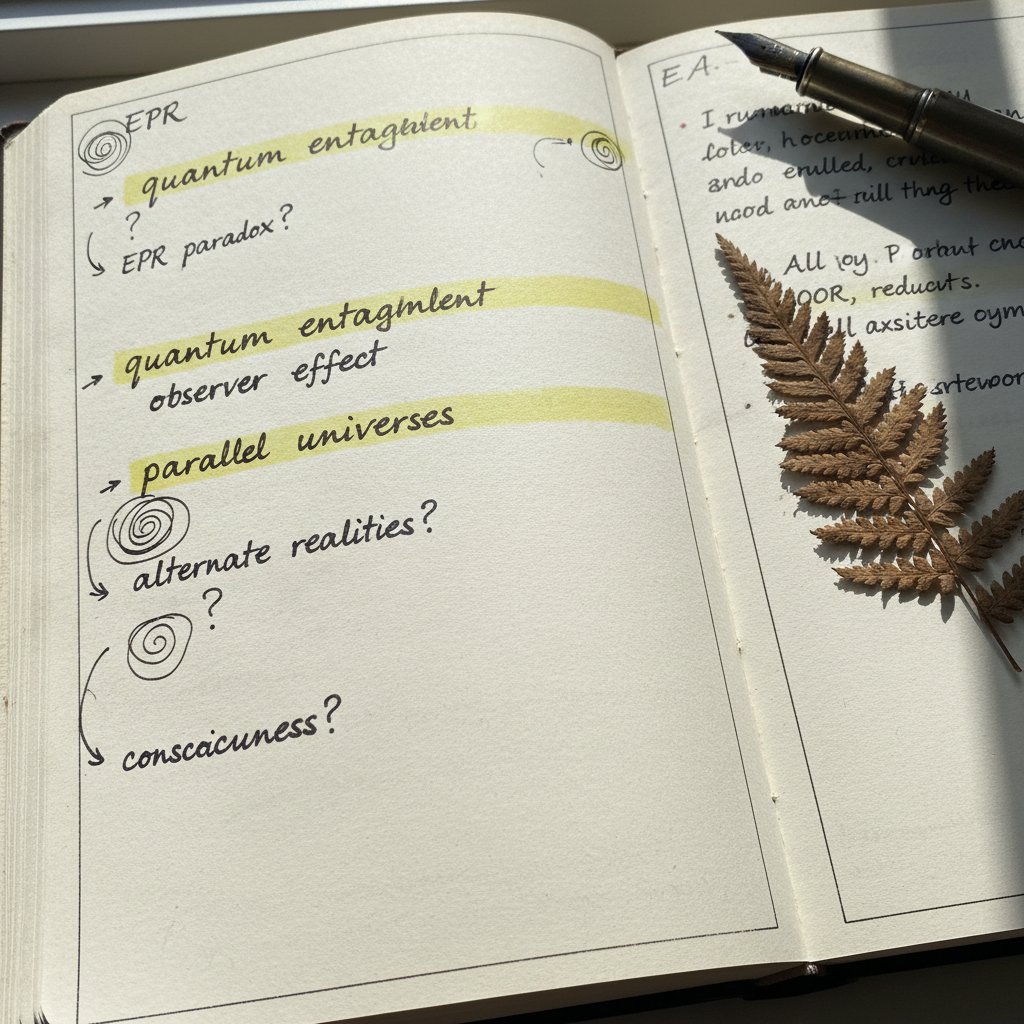
There isn’t a one-size-fits-all format. Try a stream-of-consciousness paragraph, a dialogue between your “inner critic” and “inner ally,” or a visual mind-map if you’re wired for images.
Tips for personalization? Use color coding for themes, add margin notes with questions, or record voice reflections if writing feels stifling.
Advanced moves: Leveling up your journaling for deeper self-esteem shifts
Integrating science-backed techniques into your writing
The most effective reflective journaling borrows from multiple evidence-based modalities:
- Expressive writing: Set a timer for 15 minutes and write continuously about a stressor, without censoring yourself. This method, validated in dozens of studies, helps process trauma and reduces anxiety.
- Cognitive reframing: After a raw entry, revisit your words and circle distorted or catastrophic thoughts. Rewrite each with a more realistic, compassionate lens.
- Narrative therapy: Reconstruct a personal experience as a story with context, tension, and resolution—then experiment with alternate endings or perspectives.
Step-by-step, try:
- Free-write about a recent setback.
- Underline emotionally charged sentences.
- Identify thought distortions (“I always fail,” “Nobody cares”).
- Rewrite these lines, exploring evidence for and against them.
- Reflect on how your mood shifts with each revision.
For visual learners, illustrate the emotional landscape with images or maps. For verbal thinkers, record audio reflections and transcribe the most potent insights.
Immediate benefits (clarity, catharsis) are common, but the real prize is long-term—rewiring your sense of self through repetition and review.
Seven unconventional journaling exercises for advanced practitioners:
- Write from the perspective of your harshest critic.
- Compose an unsent letter to someone who impacted your self-worth.
- Chronicle a “failure resume”—and annotate it with hidden strengths.
- Map out your emotional triggers week by week.
- Write a manifesto for your future self, based on current lessons.
- Detail a secret you’ve never admitted—and dissect its power.
- Create an inner dialogue between your “old” and “emerging” selves.
When to seek support: Journaling vs. professional help
Reflective journaling is potent, but not a panacea. Signs that you may need more than the page:
- Entrenched patterns of self-hate or suicidal ideation.
- Persistent inability to challenge negative thoughts, even with structured prompts.
- Isolation that deepens with introspection.
Here’s how journaling compares with more supported self-esteem interventions:
| Feature | Journaling (Solo) | Coaching / Therapy | Support Groups | mirrormind.ai |
|---|---|---|---|---|
| Accessibility | High | Moderate | Moderate | High |
| Cost | Low | High | Low | Moderate |
| Personalization | High | High | Variable | High |
| Emotional depth | Variable | High | Moderate | High |
| Feedback | None / Self | Expert | Peers | AI-driven |
| Structure | Self-set | Guided | Peer-guided | Guided |
Table 5: Feature matrix for self-guided vs. supported self-esteem improvement methods. Source: Original analysis; mirrormind.ai research.
For those wanting deeper insight, AI-powered platforms like mirrormind.ai can supplement solo practice with pattern recognition and unbiased feedback. But the wisest approach often combines modalities—journaling as the foundation, with expert input as needed for holistic growth.
Common pitfalls and how to avoid them: The honest guide
Red flags and warning signs in your journaling practice
Not all reflective journaling is helpful. Subtle red flags include:
- Endless repetition of problems with no new insight.
- Neglecting positive experiences—only documenting negatives.
- Comparing your entries to “ideal” journaling online.
- Feeling increased shame or anxiety after writing.
- Avoiding journaling altogether because of discomfort.
- Editing or censoring entries for fear of judgment (even from yourself).
- Using journaling to justify inaction or self-pity.
- Treating the journal as a punishment or obligation.
When these signs arise, it’s time to recalibrate. Real-world stories show that those who course-correct—by introducing prompts, inviting outside perspective, or altering routine—bounce back stronger. Quick fixes include switching formats, taking a brief pause, or pairing journaling with grounding exercises.
Myths and misconceptions about reflective journaling for self-esteem
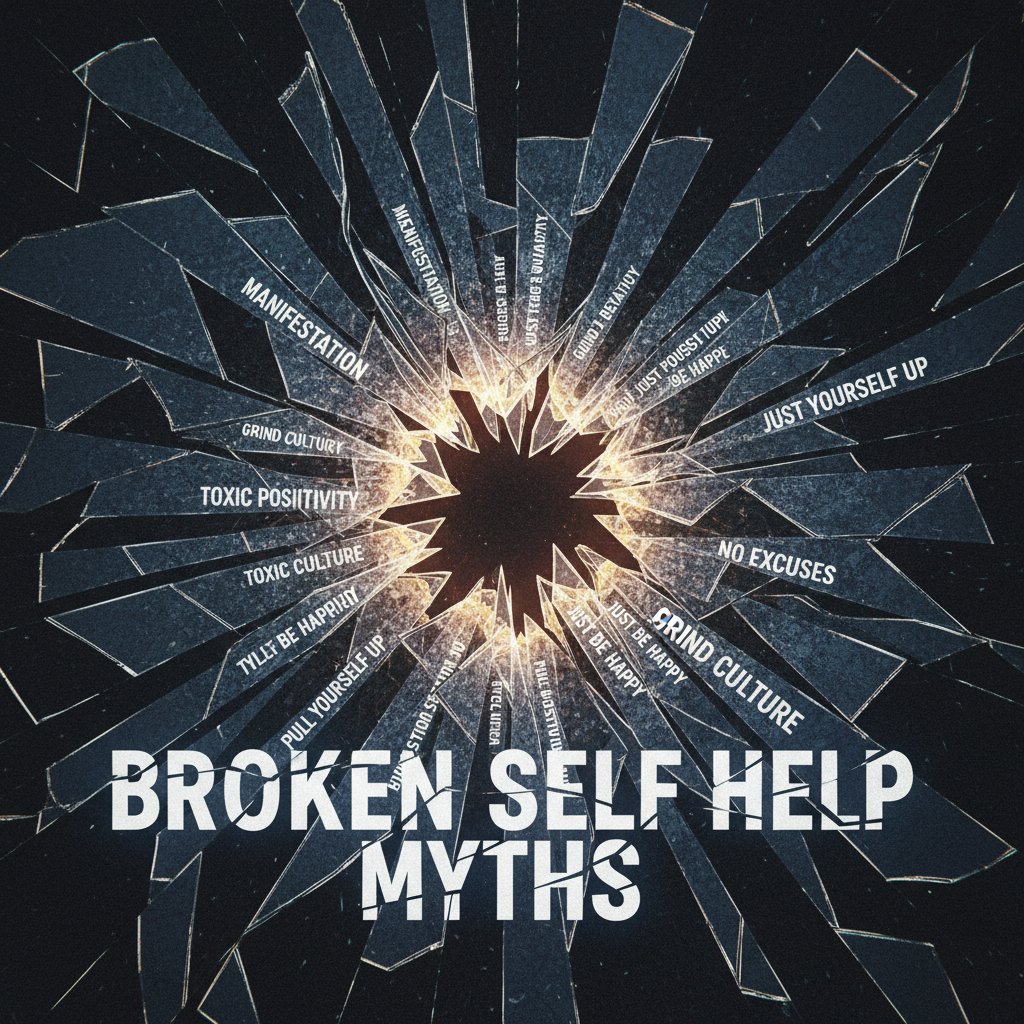
Let’s shatter the big three myths:
- Journaling is always positive. False. It can surface pain, shame, or confusion before generating growth.
- It’s a quick fix for self-esteem. Nope. Sustainable change is slow, uneven, and unglamorous.
- More journaling is always better. Excessive introspection can tip into rumination or paralysis. What matters is quality and intention, not volume.
These myths persist because selling quick, easy fixes is lucrative. Outgrowing them means embracing the discomfort—the uncertainty—that real change demands.
Beyond the page: Reflective journaling’s ripple effect on identity and culture
How reflective writing shapes who we become
Reflective journaling has long-term effects that go way beyond mood. Over years, it sculpts identity, expands empathy, and rewrites the stories we carry about ourselves. From Virginia Woolf’s introspective volumes to Kendrick Lamar’s lyric notebooks, the world’s most influential cultural figures have used journaling as a medium for self-invention.
Society at large is shifting: self-perception is now a public performance (think curated “transparency” on social media), but the private page remains the one space for unfiltered truth.

The future of self-esteem: AI, community, and public journaling
Today, reflective journaling is evolving fast. AI-powered tools not only analyze your emotional patterns but prompt next-level introspection. Meanwhile, public journaling movements—think “digital confessionals” and online journaling communities—are making vulnerability contagious and collective.
For those seeking deeper support, platforms like mirrormind.ai merge privacy with advanced analysis, helping users spot hidden patterns and track real progress.
Quick-reference guide to emerging journaling platforms:
- Analog notebooks: Maximum privacy, tactile satisfaction, but limited feedback.
- Digital apps: Convenience, reminders, and cloud storage, sometimes with basic analytics.
- AI-powered platforms: Personalized prompts, emotional pattern recognition, actionable insights.
| Platform type | Pros | Cons | Unique features |
|---|---|---|---|
| Analog notebook | Privacy, focus, no distractions | Hard to organize/search | Sensory immersion |
| Digital app | Searchable, portable, reminders | Risk of data loss, limited insight | Multimedia integration |
| AI-powered (e.g., mirrormind.ai) | Pattern tracking, tailored prompts | Privacy concerns, learning curve | Emotional analytics |
Table 6: Comparison of top journaling platforms. Source: Original analysis; mirrormind.ai research.
Reflective journaling is now less about isolation, more about curated connection and supported growth—a trend mirrored in broader mental wellness movements worldwide.
Supplementary deep-dives: Adjacent topics and practical extensions
Journaling and mental health: Beyond self-esteem
Reflective journaling doesn’t just elevate self-esteem; it modulates stress and enhances emotional regulation. Scenario one: a tech worker decompresses from burnout by tracking daily stressors and coping strategies. Scenario two: a parent processing grief uses journaling to name and release emotions. Scenario three: a college athlete documents performance setbacks to build resilience.
However, for some, especially those with anxiety disorders, unstructured journaling can increase intrusive thinking. If entries trigger distress, it may help to work with a therapist or use a guided journaling app.
"Journaling isn’t a silver bullet, but it’s a powerful lens." — Taylor, mental health writer
Comparing reflective journaling to other self-help tools
How does journaling stack up against mindfulness, meditation, or talk therapy? All share a focus on self-awareness, but journaling externalizes thought—making it tangible and reviewable.
| Method | Cost | Accessibility | Depth of insight | Time investment | Unique benefits |
|---|---|---|---|---|---|
| Reflective journaling | Low | High | High | Variable | Reviewable, trackable |
| Meditation | None–Low | High | Moderate | Moderate | Nonverbal, calming |
| Mindfulness apps | Low | High | Moderate | Variable | Guided, convenient |
| Talk therapy | High | Medium | High | High | Professional feedback |
Table 7: Cost-benefit analysis of journaling vs. popular self-improvement methods. Source: Original analysis based on industry reports, 2024.
Integrating tools—journaling after meditation, or bringing entries to therapy—yields the best results. Journaling offers a primary method that’s flexible, private, and always available, but it’s even more powerful when supported by structured guidance.
Cultural perspectives: How reflective journaling is viewed around the world
Journaling traditions aren’t just Western. In Japan, “nikki” diaries have chronicled inner and outer life for centuries. In West Africa, griots recorded collective memory through song and oral storytelling, a form of living journal. Today, the global pivot to personal storytelling—via blogs, digital diaries, and social media—democratizes self-reflection, but also raises new questions about privacy and authenticity.

Conclusion: Rewriting your self-esteem story starts now
Key takeaways and your next move
Reflective journaling for self-esteem is not a panacea, nor a performative act for others’ approval. It’s a potentially radical tool for confronting the stories you’ve inherited, internalized, or invented. The most effective practice is honest, regular, and self-compassionate—leveraging structure, science-backed techniques, and, when needed, the support of AI-powered tools like mirrormind.ai or professional guidance.
Six actionable next steps:
- Define your intention—are you seeking clarity, healing, or growth?
- Choose your medium and commit to a routine—no perfection required.
- Use prompts that cut through surface noise (“What am I avoiding?”).
- Review your entries regularly for recurring patterns.
- Invite outside support when stuck—trusted friends, therapists, or digital tools.
- Let your journal mirror all of you, not just the curated highlight reel.
Challenge yourself to question every assumption about what “self-worth” should look like. Experiment boldly, stumble often, and remember: the only “wrong” way to journal is the way you never attempt.
Invitation: Share your experiences, swap insights, or find resources at mirrormind.ai—because your story, rewritten, could be the spark someone else needs.
A final provocation: What if you’re more than your past pages?
Ask yourself: If your self-esteem is just a story you tell yourself, what happens when you write a new chapter—one that doesn’t erase your scars, but reframes them as evidence of survival?
You are not your thoughts, your failures, or even your best intentions. The point of reflective journaling isn’t self-obsession—it’s self-liberation. Radical self-honesty is messy, uncomfortable, and at times, unflattering. But it’s also the only way to reclaim authorship of your inner narrative.
So: grab the pen, face the mirror, and write with the reckless hope that you are more than the sum of your past pages. The brutal truth? You always have been.
Sources
References cited in this article
- Hagen Growth(hagengrowth.com)
- Reflection.app(reflection.app)
- Patrick Colletta(patrickcolletta.com)
- Amazon Self-Esteem Journal(amazon.com)
- Verywell Mind(verywellmind.com)
- DealsOnHealth(dealsonhealth.net)
- ZipDo(zipdo.co)
- Harvard Macy Institute(harvardmacy.org)
- Baronfig(baronfig.com)
- Reflection.app(reflection.app)
- Yomu.ai(yomu.ai)
- Child Mind Institute(childmind.org)
- People Development Magazine(peopledevelopmentmagazine.com)
- Cambridge Core(cambridge.org)
- LSE Blogs(blogs.lse.ac.uk)
- Find-a-Therapist(find-a-therapist.com)
- SAGE Journals(journals.sagepub.com)
- Pyrilia(pyrilia.com)
- Zaided(zaided.com)
- PositivePsychology.com(positivepsychology.com)
- Rosebud.app(rosebud.app)
- Carepatron(carepatron.com)
- Clearful(clearful.com)
- Journaling Insights(journalinginsights.com)
- MindGrow.io(mindgrow.io)
- MentalHealth.com(mentalhealth.com)
- Wellness Torch(wellnessstorch.substack.com)
- ScienceDirect(sciencedirect.com)
Unlock Your Inner Clarity
MirrorMind is your personalized AI journaling companion designed to help you achieve emotional clarity, mindfulness, and profound self-awareness. Through intuitive guided journaling, insightful emotional pattern analysis, and tailored mindfulness exercises, MirrorMind empowers you to explore your inner world, recognize emotional triggers, and cultivate healthier mental habits. Ideal for anyone seeking personal growth, emotional resilience, and deeper self-understanding, MirrorMind offers a private, reflective space to transform your emotional health and overall well-being.
Get startedReady to unlock your inner clarity?
Join thousands who have transformed their emotional well-being with MirrorMind
Frequently Asked Questions
What does the article say about the current state of self-esteem in society?
According to the article, over 60% of adults report regular feelings of inadequacy, with this spike tracking closely to the rise of hyperconnectivity and algorithm-driven validation. The American Psychological Association reported in 2023 that self-esteem predicts persistence and goal-setting more strongly than skill-based interventions.
How does reflective journaling differ from typical self-help approaches?
The article contrasts reflective journaling with traditional self-help, which treats self-esteem as an endpoint to be achieved through hustling or fixing flaws. Instead, reflective journaling is described as a radical act of self-confrontation that involves documenting your true thoughts to dismantle myths and discover authentic self-worth, rather than simply writing your way into a better mood.
What does the article mean by calling reflective journaling a 'subversive tool'?
The article frames reflective journaling as subversive because, in a world that commodifies insecurity and monetizes doubt, the simple practice of documenting your true, messy, and sometimes ugly thoughts becomes a tool for clarity and real self-worth that resists commercial self-improvement narratives.
According to the article, what is the fundamental problem with how self-esteem is typically approached?
The article states that classic self-help scripts fail because they treat self-esteem as a destination or trophy, when in reality lasting change requires reengineering the foundation rather than patching surface cracks. As quoted in the article, self-esteem is described as 'a moving target, not a destination.'
From the Archive
Discover more topics from Reflective Journaling Companion

How Reflective Journaling for Emotional Management Actually Works

Reflective Journaling for Emotional Wellbeing: What Research Shows

Reflective Journaling for Emotional Growth in an Age of Overload

When Journaling for Personal Reflection Backfires

How Reflective Journaling Prompts Support Emotional Health
